
January 30 - February 3, 2027
San Diego, CA, USA

January 30 - February 3, 2027
San Diego, CA, USA
Mass spectrometry is a versatile, decision-enabling technology across modern drug discovery. This interactive short course equips participants with the scientific foundation and practical perspective needed to apply mass spectrometry effectively, from selecting an appropriate analytical strategy for a specific question to establishing and managing a high-performing MS capability.
Starting with core principles of ion formation, mass analysis and detection, the course introduces the major ionization approaches and mass analyzer platforms used in contemporary drug discovery. Participants will explore how instrumentation, experimental design and data quality requirements can be matched to challenges across the discovery pipeline.
The course covers practical workflows for sample preparation and analysis of small molecules, peptides, proteins, oligonucleotides, biologics, non-covalent complexes, and other emerging modalities. It will also examine recent advances in automation and high-throughput MS, illustrating how the technology can accelerate screening, characterization, quantitative analysis and decision-making.
Scientific concepts will be illustrated with published examples and realistic drug-discovery case studies. Discussion will extend beyond the measurement itself to the operational considerations that determine whether an MS approach delivers value in practice: method robustness, throughput, data interpretation, technology selection, resourcing, timelines and budget. Participants will leave with a clearer understanding of both what mass spectrometry can achieve and how to deploy it strategically within a drug-discovery organization.
Laboratory scientists seeking a clear grounding in the fundamental principles and practical applications of mass spectrometry.
Scientists and laboratory managers who want to understand how mass spectrometry can address questions and support decisions across different stages of the drug-discovery pipeline.
Budget holders, technical leaders and decision-makers evaluating investment in mass spectrometry technology, expanded analytical capability or a new MS laboratory.
Early-career scientists who want to build confidence in applying mass spectrometry and understand how it can generate meaningful impact in their research.
Explain the core principles of mass spectrometry, including the role and capabilities of major ionization techniques, mass analyzers and instrument platforms.
Select appropriate MS workflows and instrumentation in relation to a defined scientific question, analyte type, required throughput and decision context.
Recognize where mass spectrometry can add value across drug discovery, from compound screening and characterization to the analysis of complex therapeutic modalities.
Assess recent developments in mass spectrometry and consider their potential applications in contemporary drug-discovery workflows.
Apply practical considerations to MS strategy and implementation, including sample preparation, data quality, robustness, timelines, resourcing and investment decisions.
Basic principles of mass spectrometry
Ionization modalities, mass analyzers and general MS hardware
Separation techniques offline and online including Liquid Chromatography (LC), Gas Chromatography (GC), supercritical fluid chromatography (SFC) and ion mobility (IM)
High-throughput MS platforms for HTS applications (RapidFire MS, MALDI, Acoustic Mist Ionisation MS, Echo-MS, IR-MALDESI)
MALDI applications in drug discovery
Overview of recent advances in MS technology, including “omics” approaches and their impact on drug discovery. Some examples include chemistry, DMPK, MS imaging, Affinity MS, small molecule biomarker, metabolomics, proteomics, and covalent drug discovery.
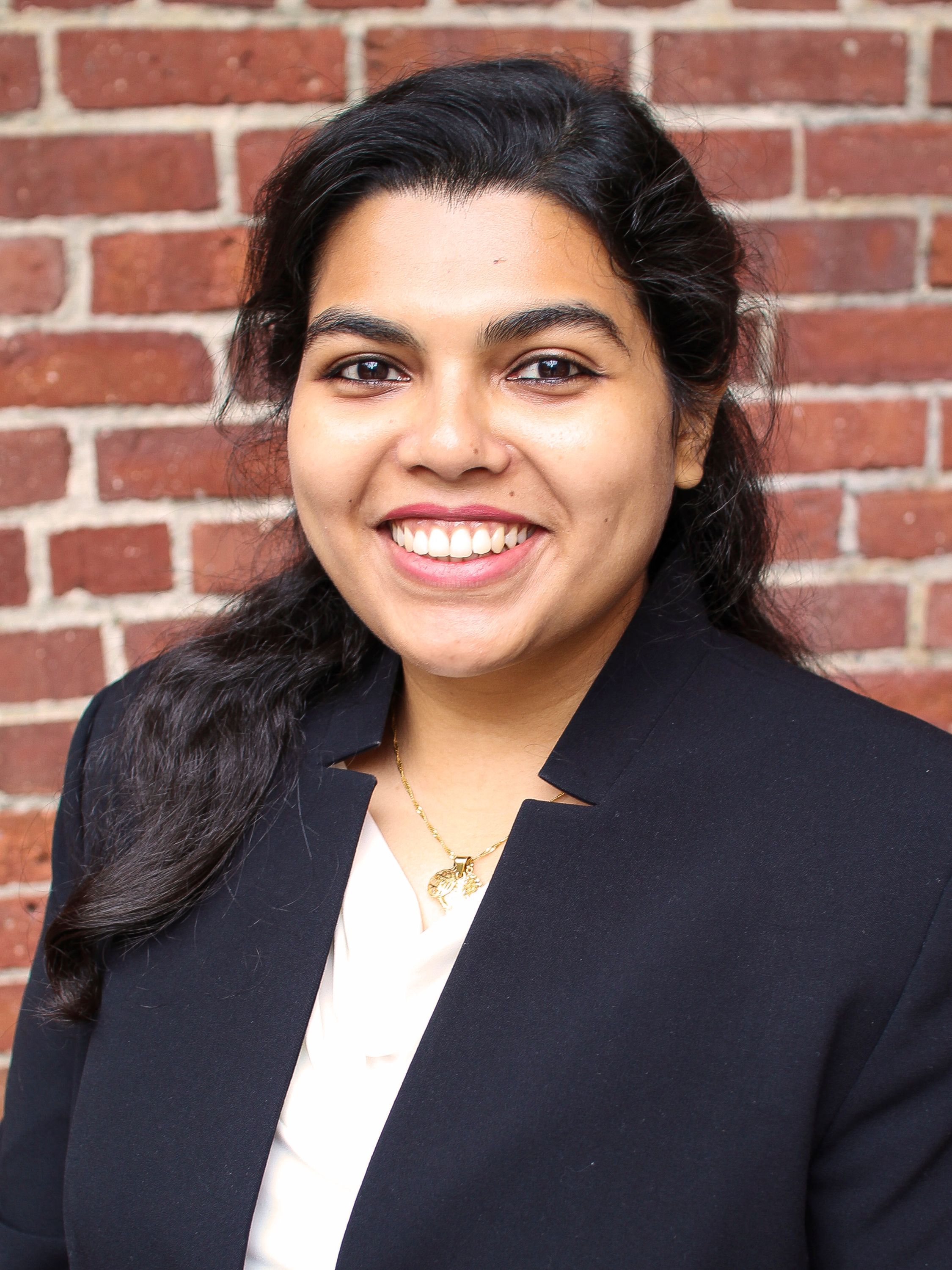
Ramisa Fariha, PhD
Presidential Postdoctoral Fellow, Brown University
Ramisa Fariha is a Presidential Postdoc Fellow at the Brown University RNA Center, working under the mentorship of Dr. Juan Alfonzo. Originally from Narayanganj, Bangladesh, Ramisa is the first Ivy League graduate from her hometown.
She earned her Bachelor of Science in Biomedical Engineering from Penn State, where she became the first international student to receive the ‘Freshman of the Year’ award. In 2018, she joined Brown University to pursue a master’s degree in Biomedical Engineering, collaborating with Dr. Jonghwan Lee and Dr. Jeff Morgan. For her doctoral studies at Brown, she worked with Dr. Anubhav Tripathi, focusing on improving diagnostic accessibility through biotransport phenomena. Her research in reproductive health screening and therapeutic drug monitoring, using dried blood spots and a patented cylindrical electrode, has garnered national and international media attention for its potential to revolutionize clinical screening automation.
Ramisa is passionate about increasing minority representation in STEM and mentors students globally. She serves as an Ad-Hoc member of the Knowledge Content Delivery Council and Early Career Committee of the Society of Laboratory Automation and Screening (SLAS), and as a national mentor for the Society of Women Engineers (SWE). She has also been actively involved with Females in Mass Spectrometry (FeMS) and chaired international advocacy at Brown’s Graduate Student Council (2023-2024). Ramisa was a Brown University BEST Scholar (2022) and President of the South Asian Scholars in STEM (2023-2024).
Featured in various science blogs for her activism as a womxn of color in STEM, Ramisa aspires to become an independent researcher specializing in ovarian cancer detection and to inspire international students and womxn of color to pursue their dreams.
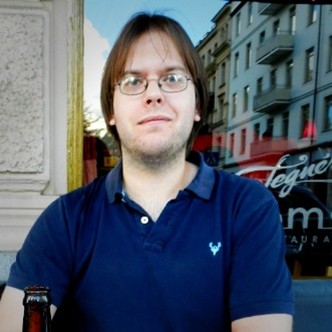
Marcus Ladds, PhD
Associate Principal Scientist, AstraZeneca
Marcus Ladds, PhD, has 15 years of mass spectrometry experience across multiple disciplines, including DMPK and proteomics. He joined AstraZeneca in 2022 and designs mass spectrometry assays to drive drug discovery within the Assays, Profiling and Cell Sciences Department for both profiling and MoA studies.
Marcus earned his BSc and MSc in Biomedical Science at the University of Auckland (New Zealand), with a project on prodrug metabolism. He then earned his PhD?at the Karolinska Institute (Sweden) under Prof. Sonia Lain and Prof. Sir David Lane, where he co-led a project to identify reactivators of wild-type p53 function in a high-throughput phenotypic screen, followed by target deconvolution and medicinal chemistry optimization. He has been involved in the publication of 14 peer-reviewed articles and is an active organizer of the Cambridge Proteomics and Mass Spectrometry meetings in the UK.